November 23, 2026
A new driveway should do more than look smooth on installation day. It needs to handle vehicle weight, direct rainwater away from vulnerable areas, and withstand changing temperatures without developing avoidable damage. Those results depend on decisions made long before the final layer is rolled into place. When an asphalt driveway cracks or settles early, the cause may be unstable soil, poor drainage, or uneven compaction rather than a problem with the surface alone.
Assess Ground Conditions Before Paving
Every property presents different challenges. A sloping lot may direct runoff toward the garage, while a flat driveway can hold puddles if the finished surface lacks adequate pitch. Clay-rich soil behaves differently from free-draining ground, and an area disturbed by recent construction may settle as backfill consolidates. A good site assessment considers these conditions instead of treating every driveway as an identical project.
Contractors should also identify buried utilities, existing drains, and the loads the finished pavement will carry. Regular passenger vehicles place different demands on a driveway than repeated deliveries from heavy trucks. An asphalt driveway intended for unusual vehicle weights may need a different pavement design. Homeowners can help by describing recurring puddles, soft spots, or past repairs.
Prepare a Stable Foundation
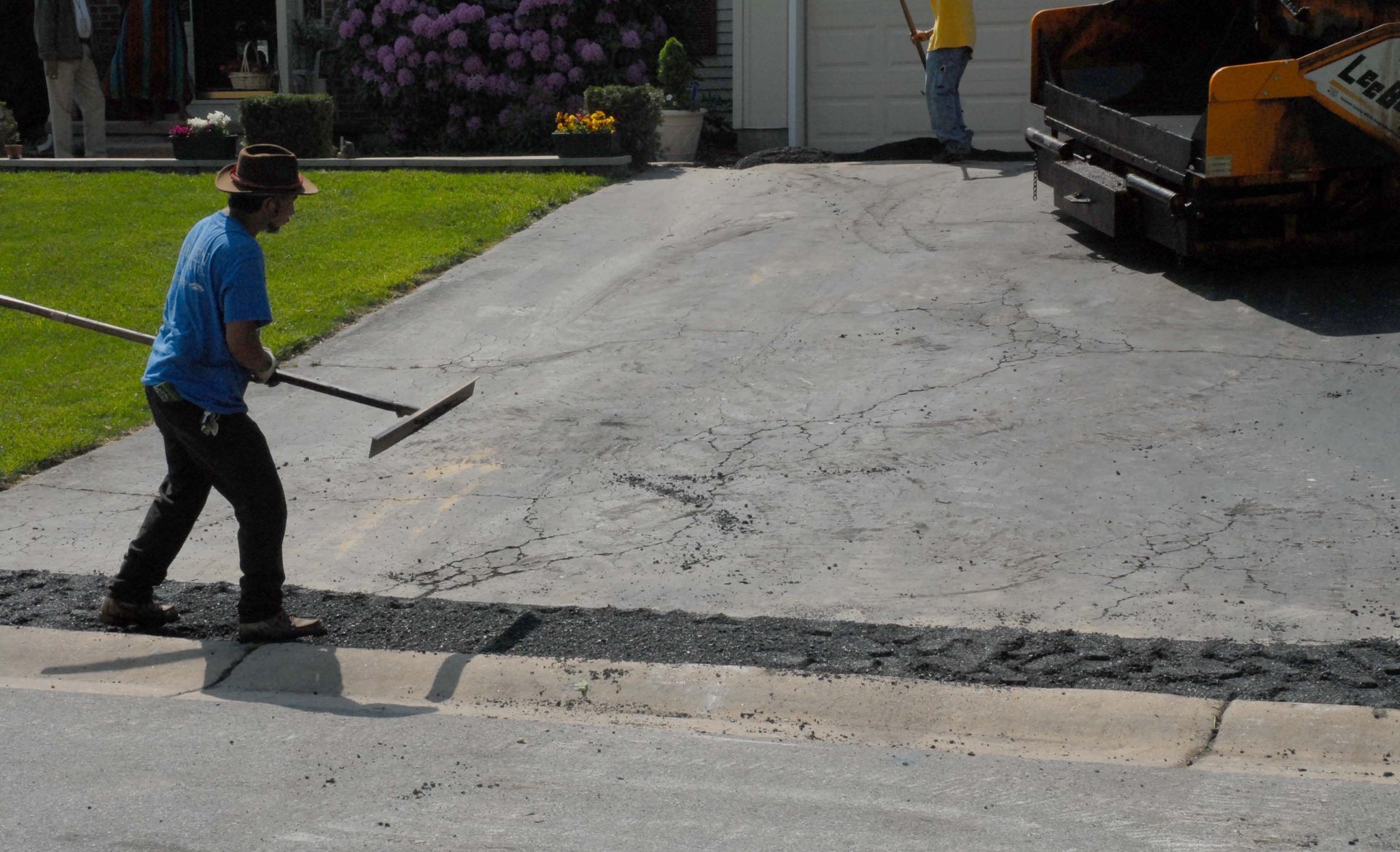
The ground beneath the pavement, called the subgrade, supports everything above it. Before paving, crews typically remove unsuitable organic material, shape the soil, and compact it. Soft or unstable areas need attention rather than being hidden under fresh asphalt. Otherwise, the surface can sink or develop cracks as traffic repeatedly loads the weak spots.
Many residential installations use a compacted crushed-stone base between the soil and asphalt, although a properly designed full-depth asphalt system is another option. The appropriate thickness depends on soil strength, climate, anticipated traffic, and the pavement design; a single number does not fit every home. Material should be spread evenly and compacted with equipment suited to the job. A lasting asphalt driveway starts with a foundation that is firm and consistent, not merely a dark, attractive top layer.
Plan Drainage Before Selecting the Final Grade
Water is one of pavement's most persistent challenges. When it collects in low areas or enters the layers beneath a driveway, it can weaken support and contribute to movement during freezing and thawing.
Depending on the site, crews may shape a gentle cross-slope, build a crown, or provide a suitable collection and discharge route. Runoff should move away from the home without creating a problem for adjoining properties or public walkways. Downspouts and nearby landscape grades deserve attention because they can send concentrated flows toward pavement edges. A well-graded asphalt driveway should drain as intended, but unusual storms may still reveal conditions that require attention. Ask the installer where water will go and how the finished elevations will connect to the garage, sidewalk, and street.
Match Materials to the Project
Asphalt mixtures combine aggregate with a binding material, but not every mix is designed for the same conditions. Aggregate size, the intended pavement thickness, and anticipated traffic help determine what is appropriate for a residential driveway.
According to Business Research Insights, the global asphalt paving market is estimated at approximately USD 2.9 billion in 2026. That figure describes the broader industry, not the quality of any individual installation. For homeowners, the relevant question is whether the selected mix and pavement structure suit the property. A contractor should be able to explain the planned layers, the compacted thickness, and how the design accounts for local conditions. The best asphalt driveway specification is one based on actual site needs rather than a generic promise that thicker pavement is always better.
Place and Compact the Surface Carefully
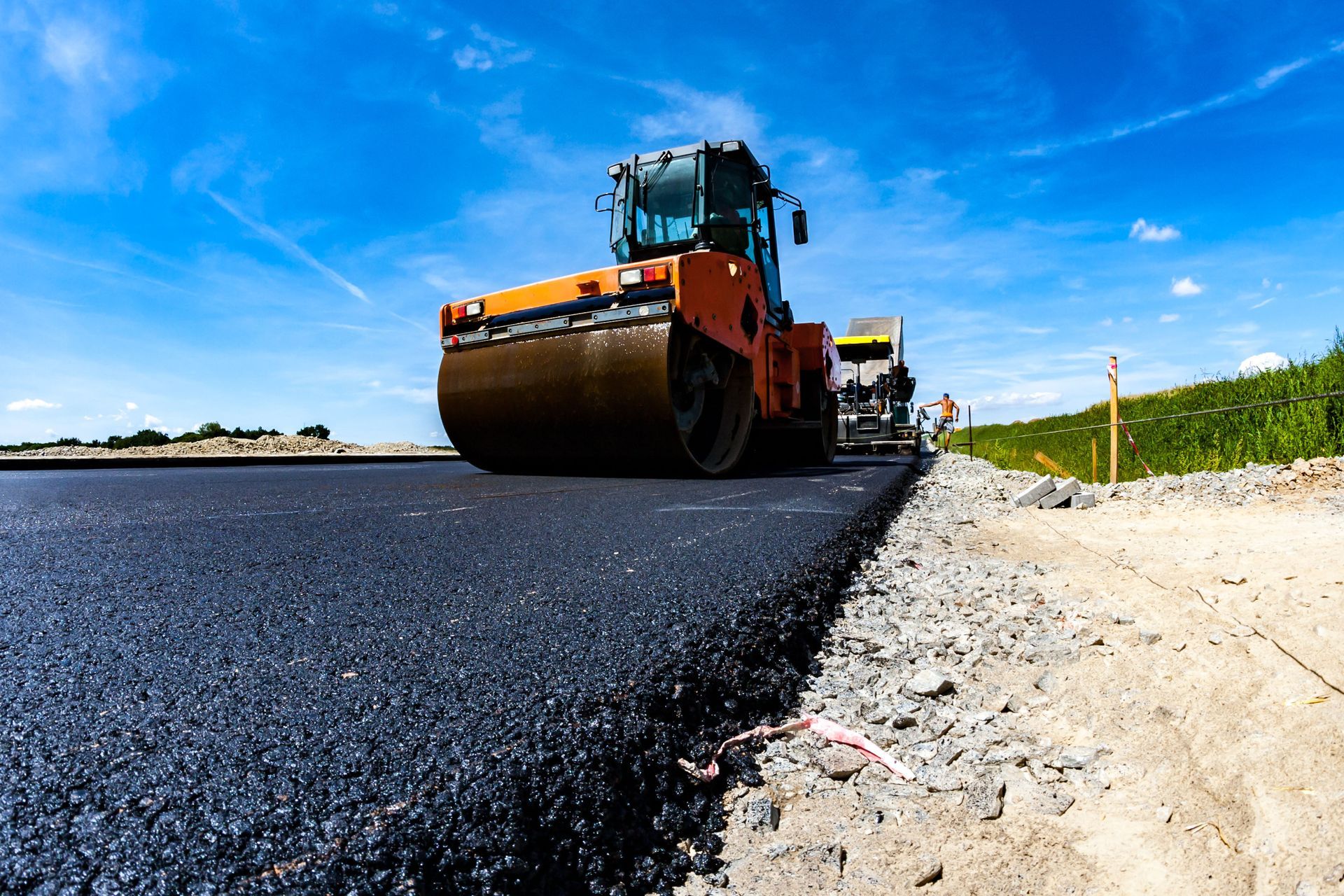
Even a well-prepared base cannot make up for careless placement. Hot-mix asphalt needs to be installed within an appropriate temperature range and compacted before it cools too far. Crews coordinate delivery, spreading, and rolling so the material can form a dense, uniform surface.
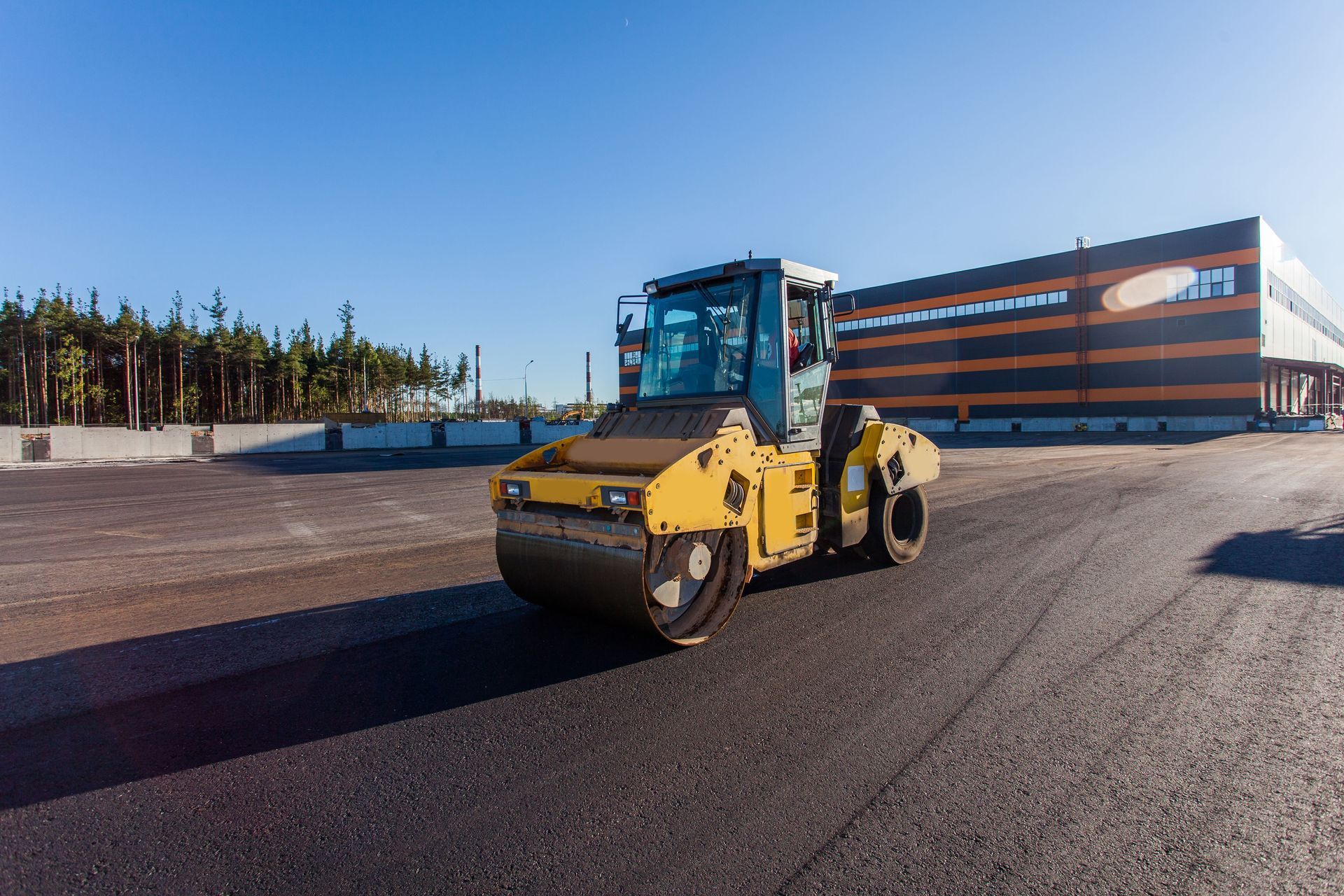
Compaction matters because too many air voids can make pavement more vulnerable to water entry and premature deterioration. Uneven rolling can also leave inconsistent areas that respond differently under traffic. For an asphalt driveway, attention to edges, joints, and transitions is just as important as a smooth center section. Homeowners do not need to supervise the rollers, but they can ask what quality checks the contractor uses and whether the quoted thickness refers to the finished, compacted layer rather than loose material before rolling.
Protect Edges and Connect Adjacent Surfaces
Driveway edges tend to receive less support than the middle, particularly where vehicles turn sharply or tires approach an unreinforced shoulder. Poorly supported edges can break away over time. Properly compacted adjacent soil or an appropriate edge treatment helps reduce that risk. The design should also consider how lawns, planting beds, and drainage features meet the finished pavement.
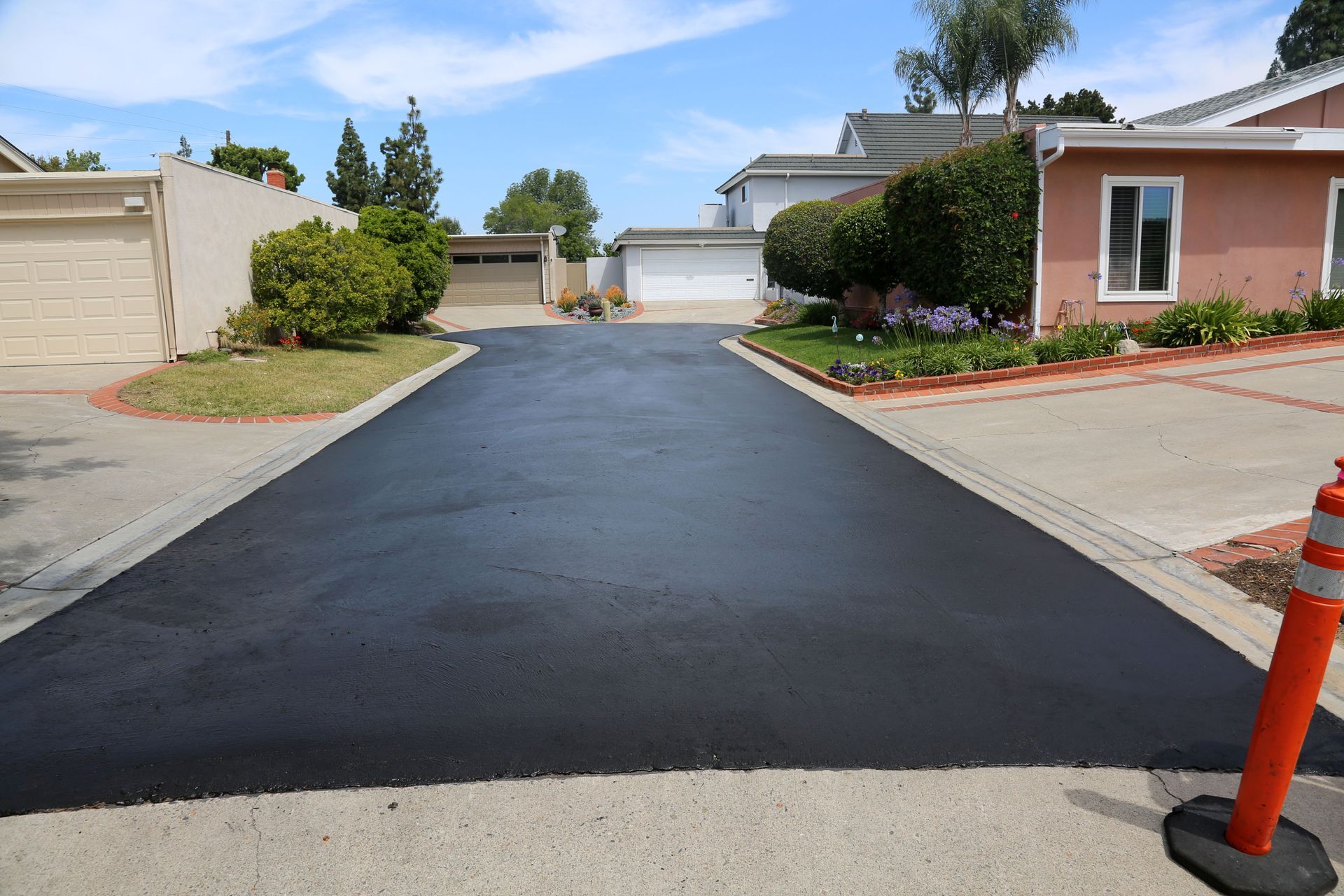
Transitions require similar care. A rough change in elevation at the sidewalk or garage can create a trip hazard, scrape low vehicles, or trap rainwater. Where new pavement meets an existing surface, clean joints and compatible elevations help limit weak points. A thoughtfully installed asphalt driveway should work with the property around it, not become an isolated slab that causes new access or runoff problems.
Account for Weather and Early Use
Rain, cold conditions, and damp base materials can interfere with paving. Freshly placed asphalt cools faster under some weather conditions, which can limit the time available for proper compaction. Contractors may need to adjust scheduling rather than proceed when conditions would compromise the result. Homeowners should discuss weather contingencies in advance, especially if the driveway is the property's only vehicle entrance.
After placement, the surface needs time to cool and develop sufficient firmness for traffic. The appropriate reopening time depends on the mix, pavement thickness, weather, and the contractor's instructions; there is no universal waiting period that applies to every job. Avoid concentrated loads and sharp stationary tire turns until the installer says they are appropriate. An
asphalt driveway can also remain more susceptible to marks from heavy point loads during very hot weather, even after routine use resumes. Following site-specific guidance is more useful than relying on conflicting general rules.
Maintain the Surface Without Overdoing It
Good installation reduces risk, but it does not eliminate ordinary wear. Check for new cracks, standing water, crumbling edges, and areas that change after heavy rain. Small problems are often easier to address before moisture reaches underlying layers. Keep drains clear and prevent soil or mulch from building up against the pavement where it can interfere with runoff.
Sealcoating and crack repair can play roles in maintenance, but timing and suitability depend on the surface's condition and the products involved. A brand-new driveway should not automatically be sealed immediately, and cosmetic coating cannot correct a failed base. If cracking keeps returning in the same location, ask for an evaluation of the underlying cause. Keep a record of installation details and later repairs so future work is based on the driveway's history rather than guesswork.
Build for Long-Term Performance
A durable driveway begins with a clear assessment, dependable foundation, sensible drainage, suitable materials, and careful compaction. Each stage affects the next, which is why quality depends on more than the appearance of fresh pavement. Homeowners planning an installation or replacement can contact C & T Paving to discuss site conditions, construction options, and practical steps for long-term care.